When the Saby Charitable Foundation turned 17, I wrote that philanthropy rests on three pillars: compassion, empathy, and a willingness to act.
Today, the Foundation is 23 years old.
Over the years, we have implemented dozens of projects: schools, hospitals, sports facilities, scholarships, and long-term support programs.
Unfortunately, to this day, philanthropy in Kazakhstan has not yet become a recognized social institution.
We don’t just build — we create modern, safe, and fully equipped social infrastructure from the ground up: schools, children’s homes, inclusive playgrounds, pediatric surgical units.
And yet, the road from idea to implementation is often long and difficult — not because of objective obstacles, but because of an impenetrable wall of bureaucracy.
This was the case in 2012, when we set out to build a new Children’s Home in Kyzylorda.
The existing building was in critical condition. We proposed constructing a new one — warm, modern, and comfortable.
But even for this seemingly obvious and necessary initiative, the path to implementation took years:
— a year for approval from the city administration,
— a change of site and a complete redesign of the project,
— and then a third redesign after undocumented underground communications were discovered at the construction site.
The project passed expert review only after nine months, despite numerous formal and often unreasonable objections.
But in the end, the building was completed. Today, it functions as a crisis center for mothers with children.
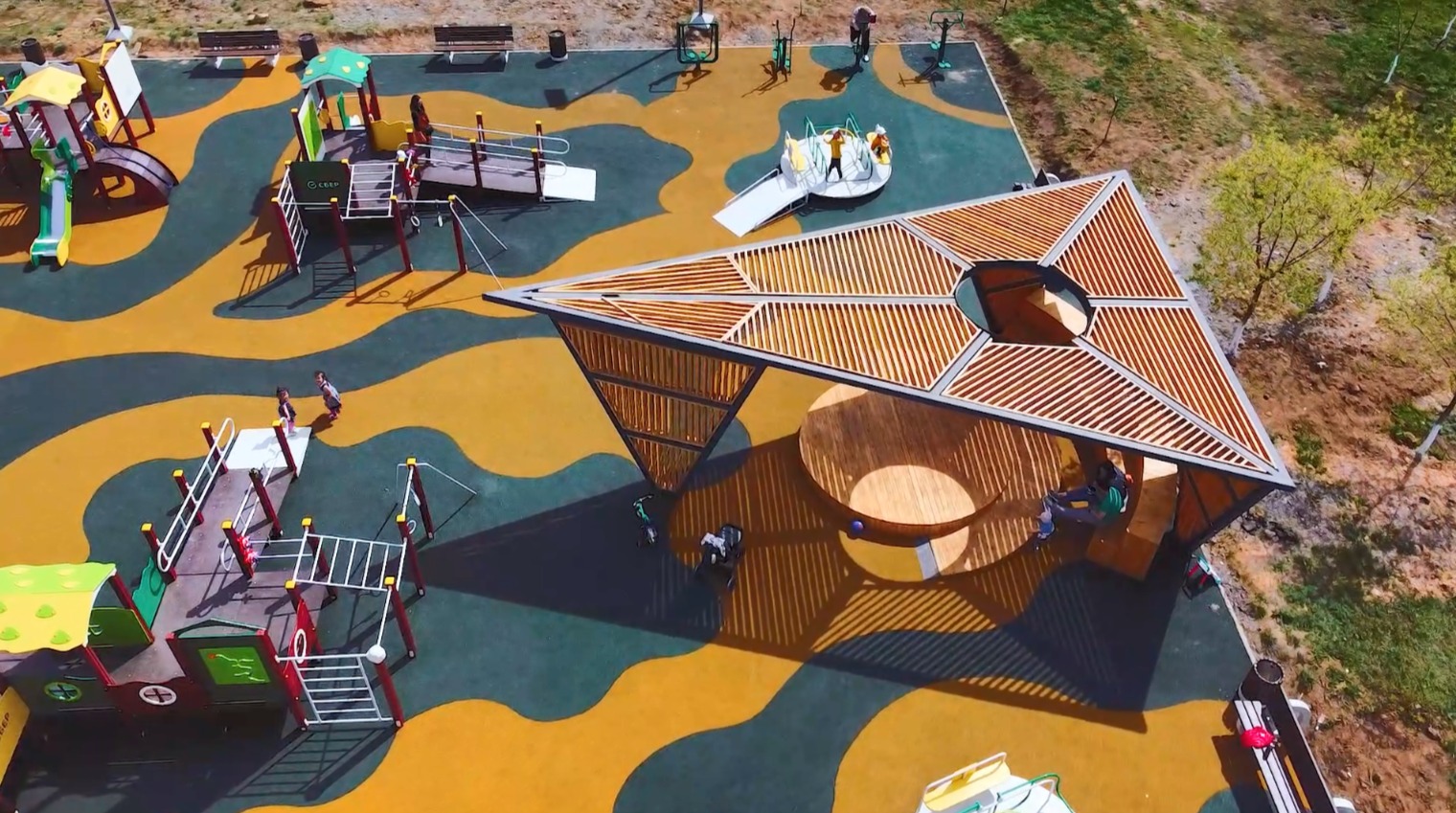
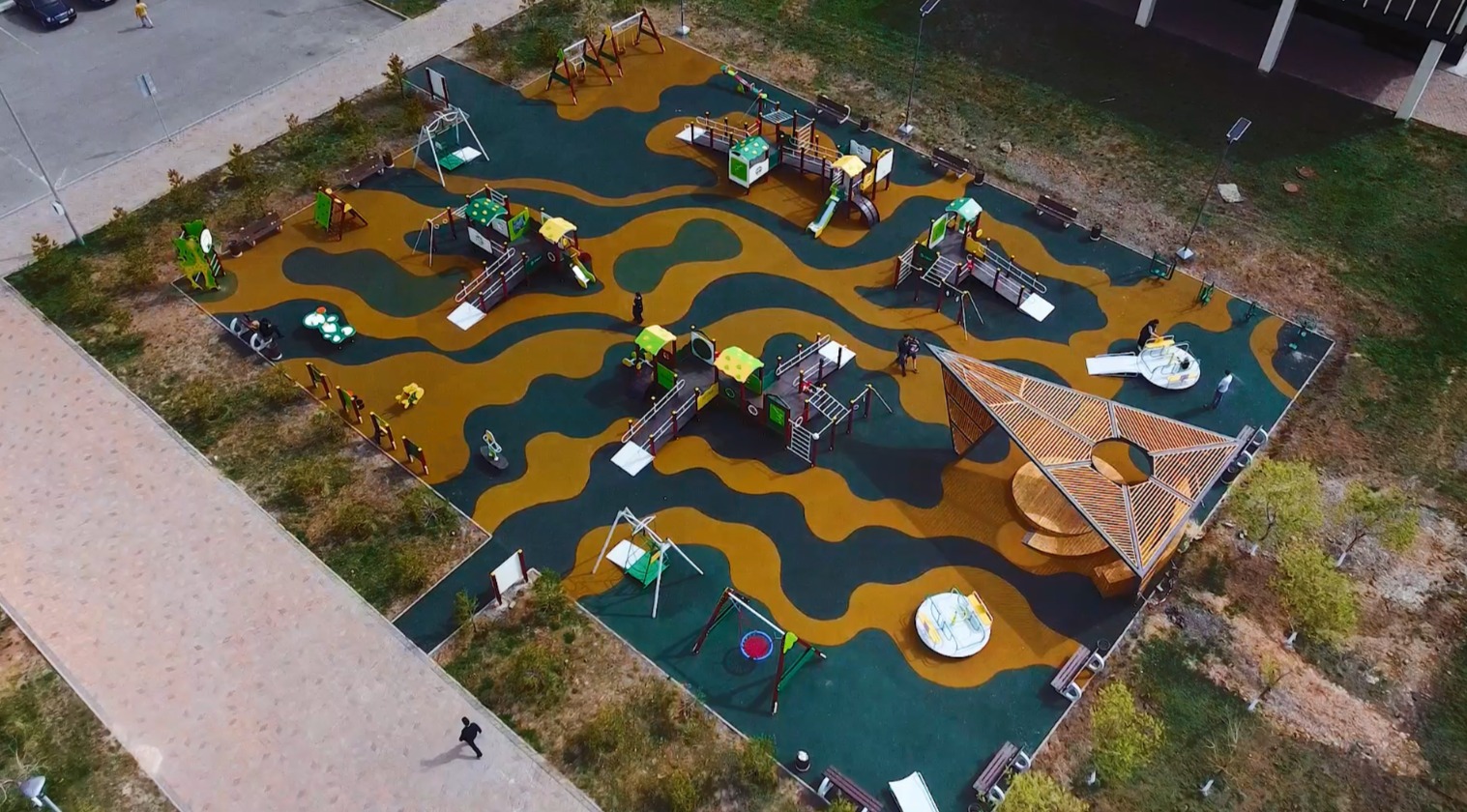
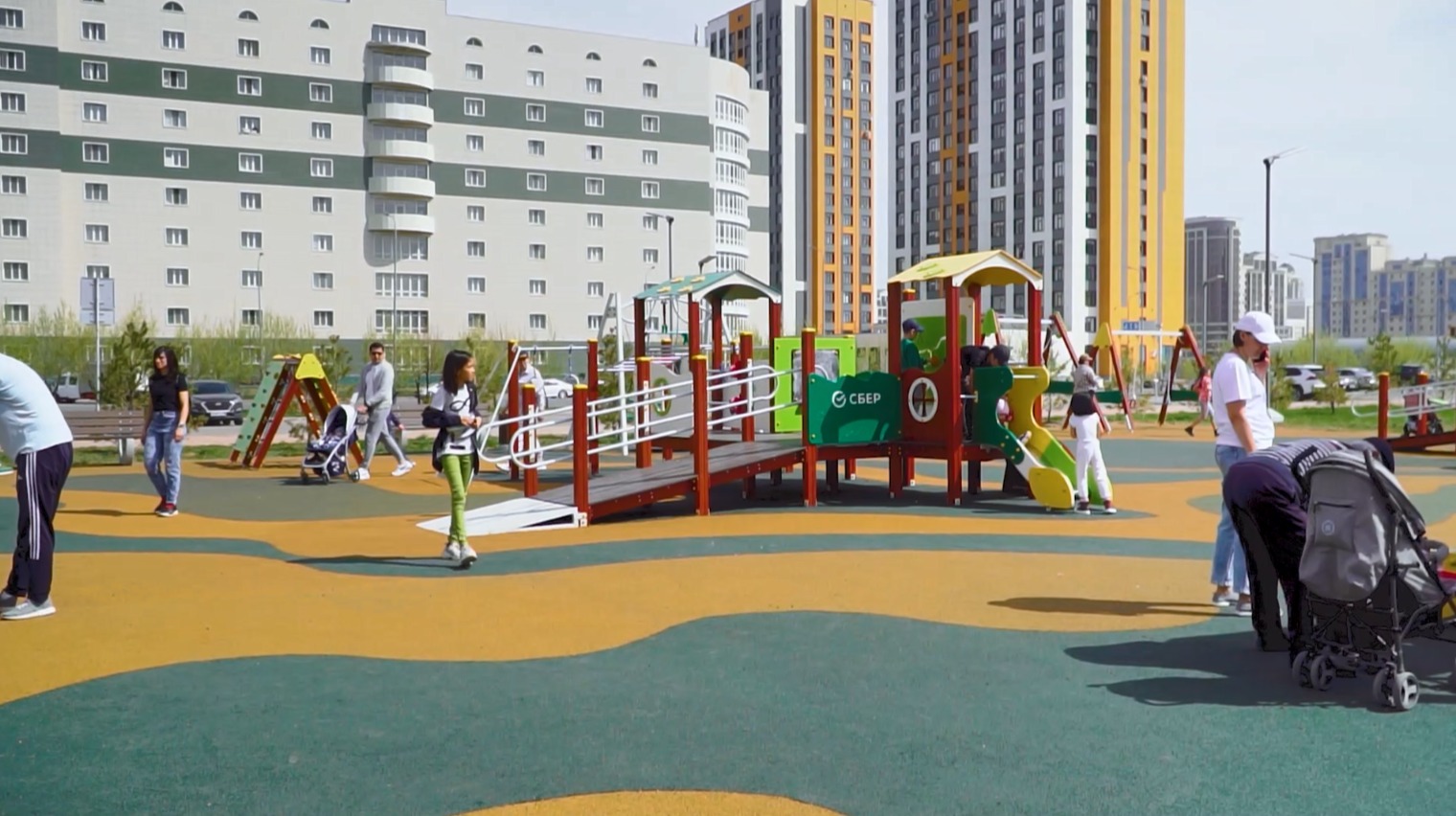
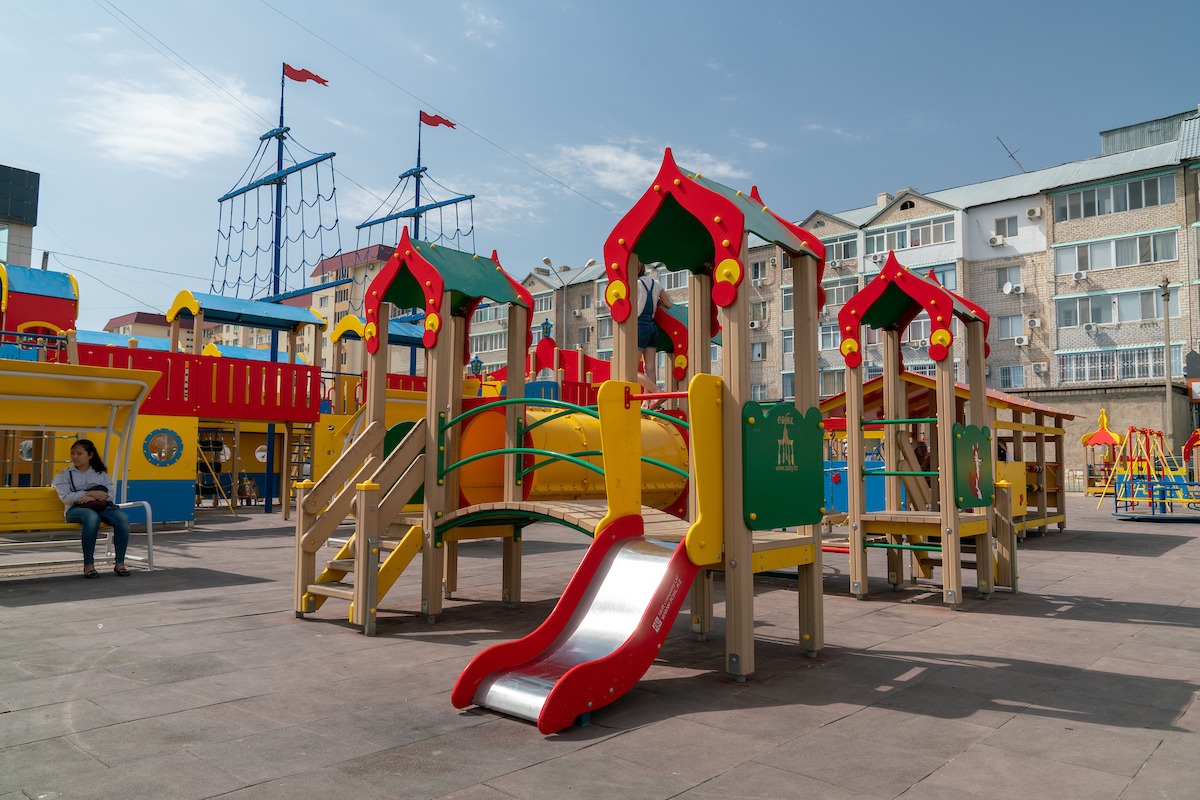
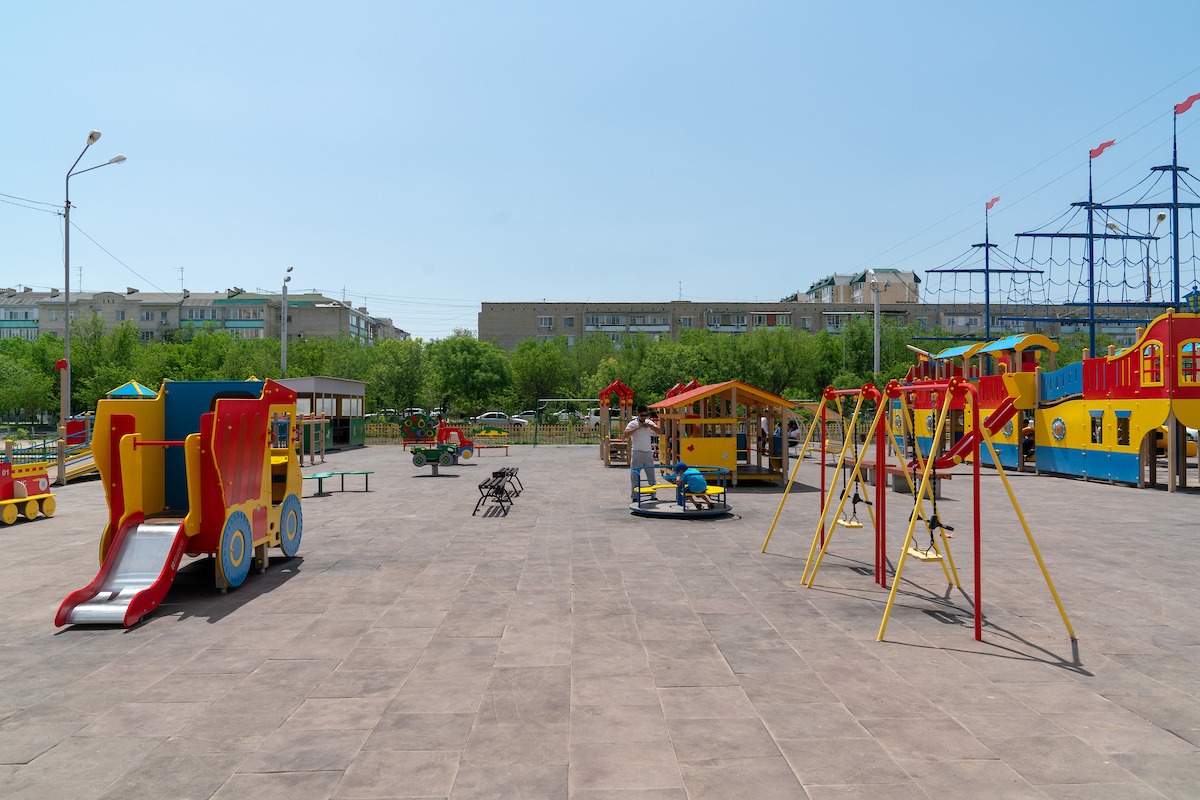
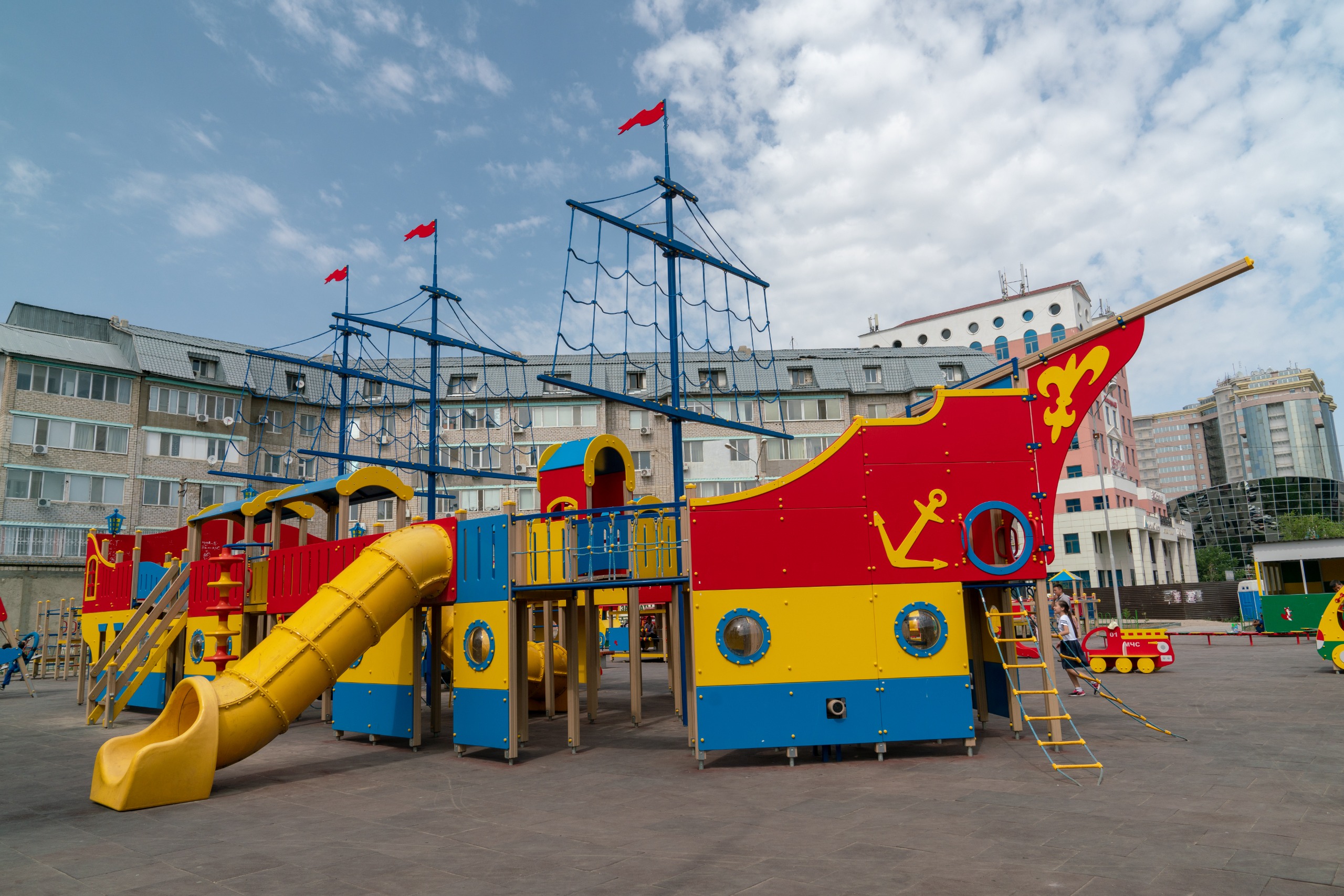
A similar situation occurred with an inclusive playground in Astana.
Built in 2022, it wasn’t officially handed over to the city until 2024.
This delay was caused by constant revisions, changes in language, new requirements, and a lack of coordination between agencies.
Each time, new obstacles emerged: missing documents, or formal inconsistencies were found.
And this, despite the fact that the project strictly adhered to all standards and was funded entirely through sponsorships.
Today, we are once again facing the same challenge.
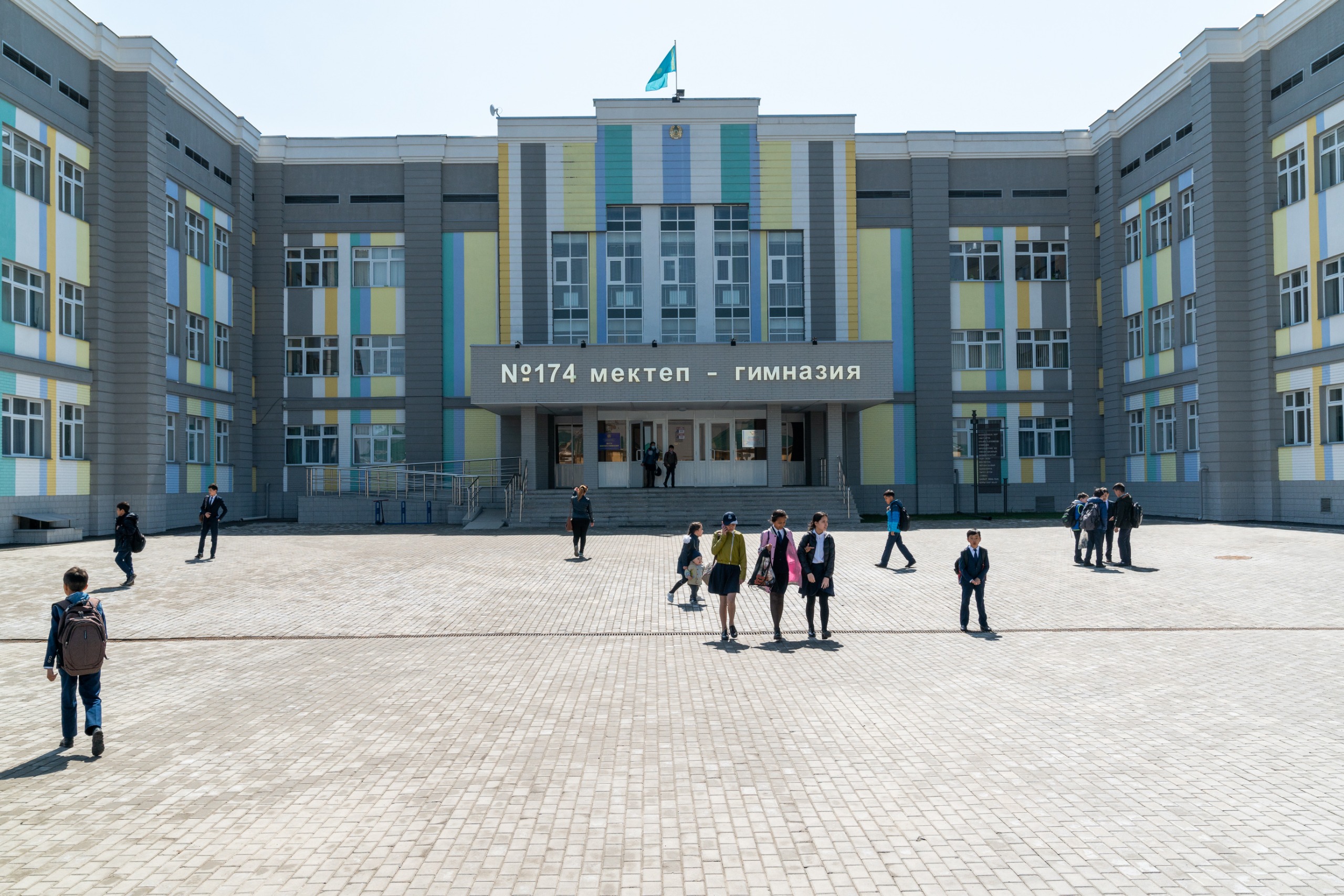
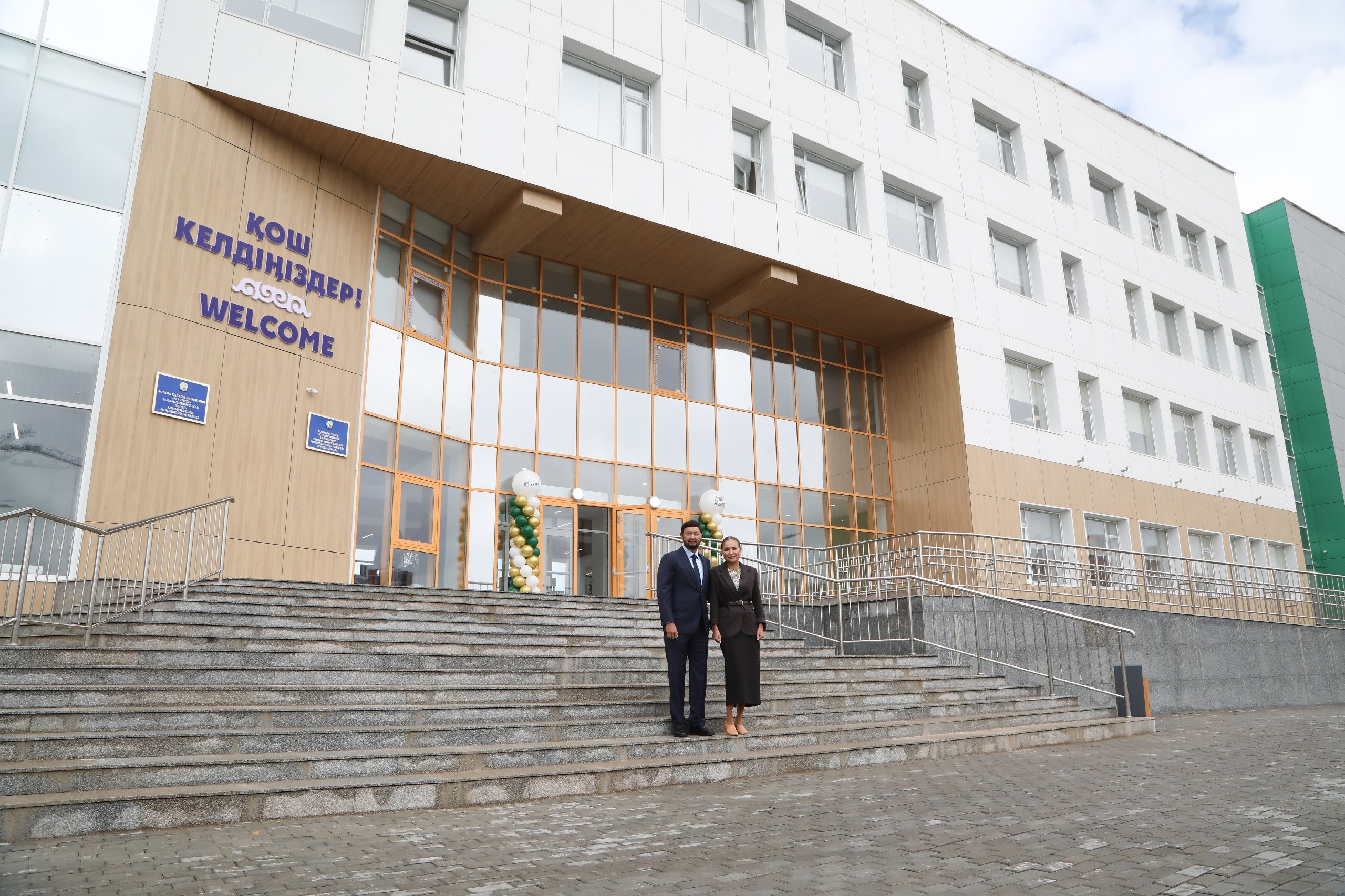
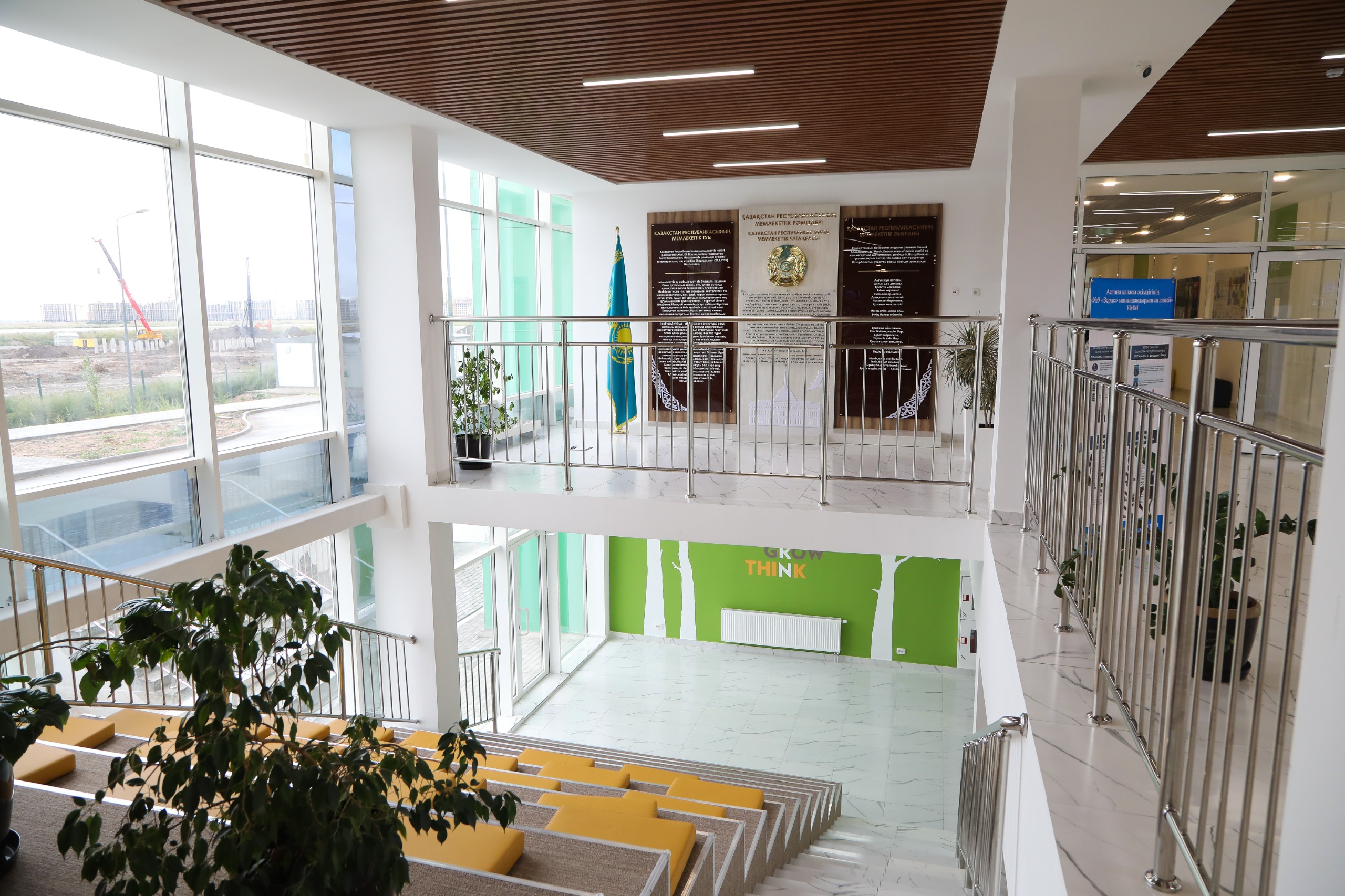
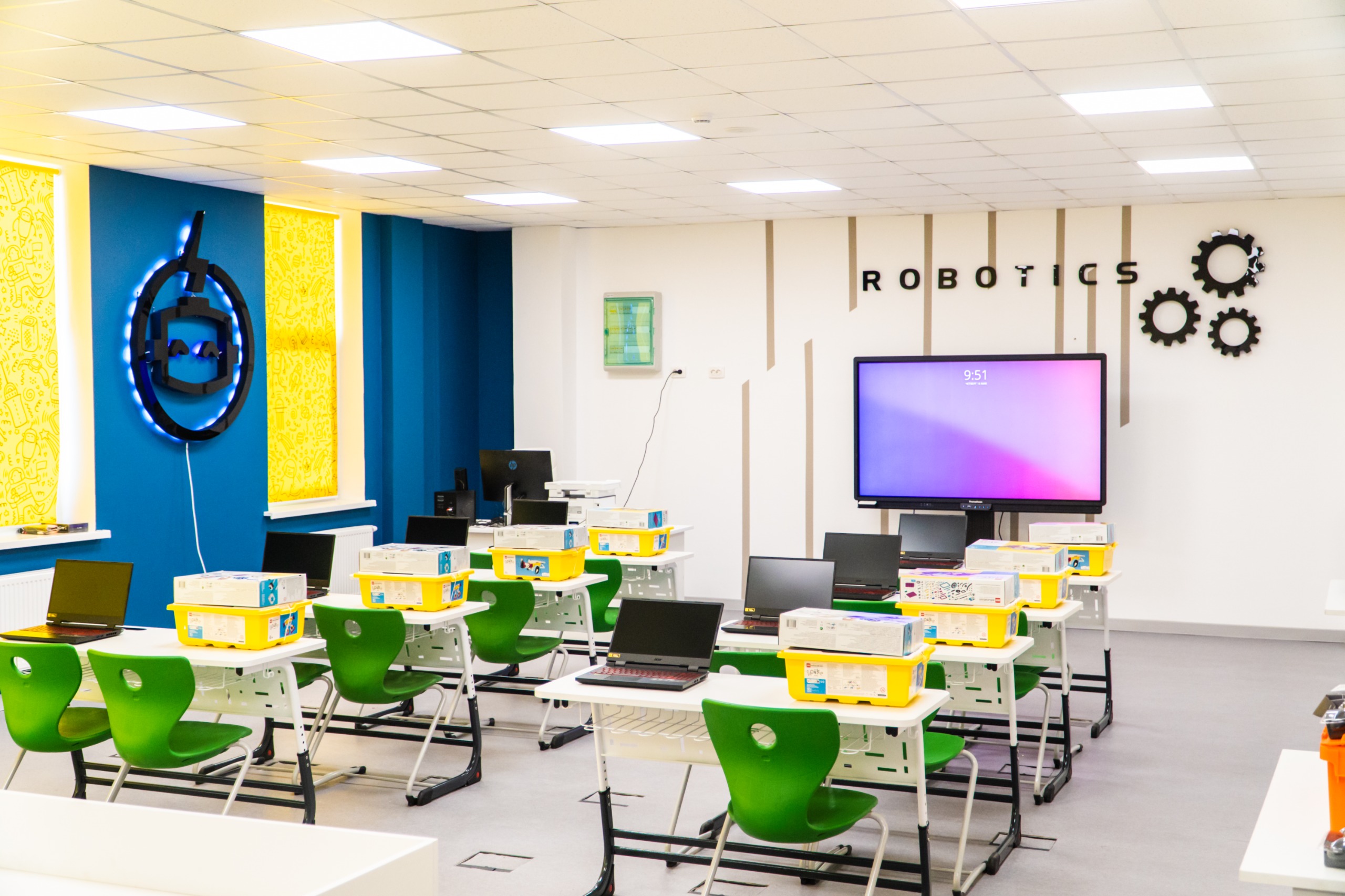
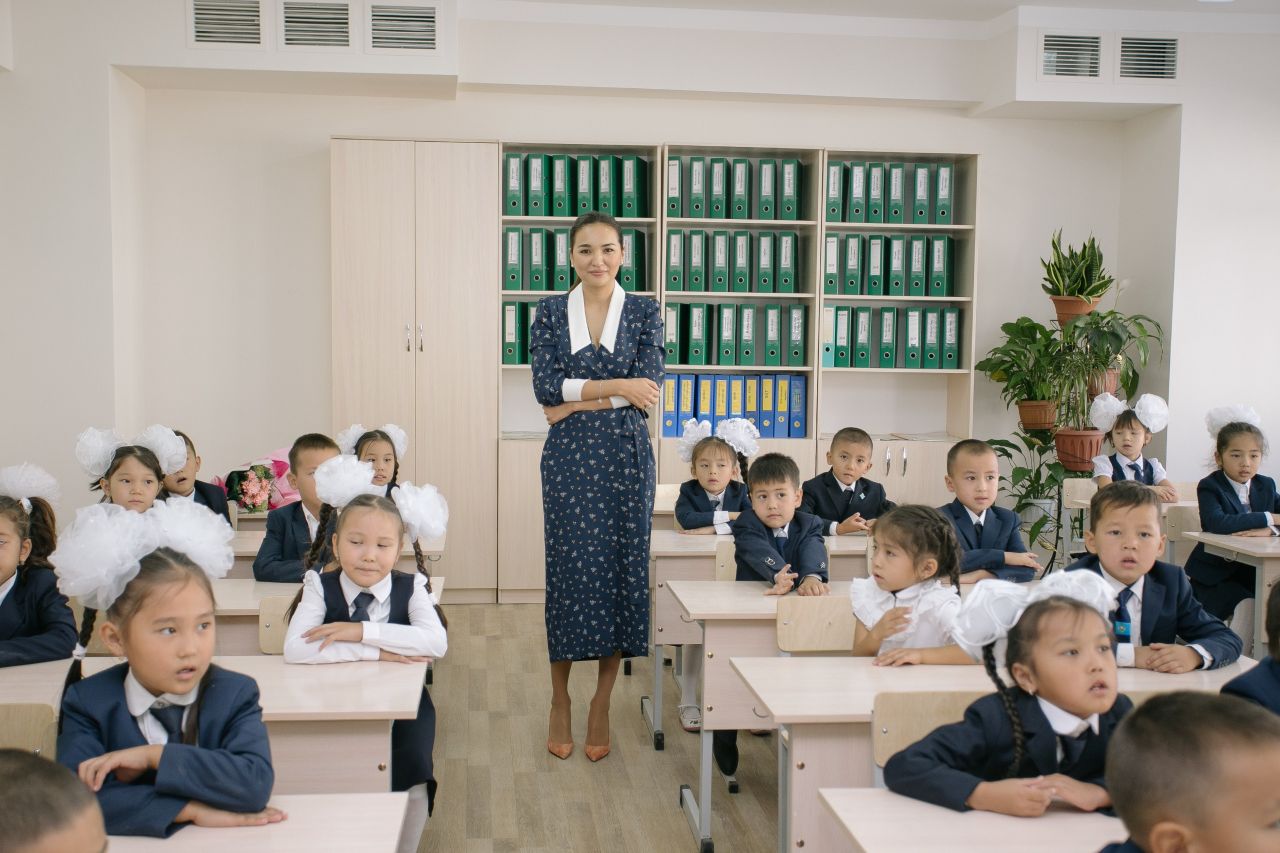
In 2024, we built a new public school in Astana for the “Zerde” Lyceum.
The project was completed in full — from the architectural concept to interior equipment.
10,000 square meters, including 3,000 square meters of sports and recreational areas.
And yet, for a year now, we have been unable to transfer the building to the city’s balance.
There is no clear procedure. No established mechanism.
This is a systemic issue.
Formalism, fear of taking responsibility, and a lack of interagency coordination are turning philanthropy into an obstacle course.
As a result, many potential sponsors lose interest in participating in socially significant projects.
Over the past 23 years, I have witnessed how the philanthropic landscape in Kazakhstan has evolved:
From complete distrust — to the emergence of strong private initiatives, volunteer movements, and professional foundations.
And yet, there is still no supporting infrastructure.
No mature system. No stable institutions.
In Soviet times, philanthropy didn’t exist — this role was performed by the state.
Today, in independent Kazakhstan, the sector is only three decades old.
And it is still in search of itself — without institutional memory, without mechanisms for cooperation.
Perhaps this is part of the formation process. Perhaps this is just the beginning.
But one thing is clear: without civic initiative, there can be no strong state.
Philanthropy will inevitably become part of our reality.
The question is: what kind of philanthropy will it be, and what values will it be built upon?
For it to thrive, it needs more than hearts — it needs institutions.
More than good intentions — it needs mature decisions.